


Intro
Directors have an incredible job. Have you taken the time to look at the rolling credits at the end of the movie? Everyone of those thousands of people have to report to some kind of director. The director’s job requires them to have eyes on every single aspect of the production of the film, including the musical score’s direction. This article explores several more ideas about selecting the ideal score from the perspective from a composer.

Maintaining Consistency with the Film's Atmosphere
The film's atmosphere and tone are crafted meticulously to create a specific ambiance…a vibe perse. Even during scene changes and character development, the vibe must be consistent. This is where understanding and keeping this idea of the heart of the film as the center-pulse of the film is paramount. The score should work symbiotically with these elements, evoking the intended emotions and maintaining the desired atmosphere throughout. A hauntingly beautiful melody can enhance the ethereal ambiance of a fantasy film, while a pulsating rhythm can amplify the tension in a thriller. This is where developing the concept of the score comes in. Take for instance the, string-only score of the thriller classic, “Psycho.” Scored by the legend, Bernard Hermann, the string-only score provided a consistency throughout even as the characters developed, and scenes changed. Consistency in the score's tonal quality will ensure a cohesive audiovisual experience for the viewers, that unfortunately is not noticed by the average movie-goer. It’s when the score is unnoticeable that it’s a great score.

Enhancing the Characters' Depth
A well-chosen score has the power to enhance the depth and development of the film's characters. By aligning the musical motifs and themes with the personality traits and journeys of the characters, the director can breathe life into their emotional arcs. For instance, a character undergoing an internal struggle may benefit from a haunting or melancholic score, while a triumphant character can be accompanied by an uplifting and victorious melody. And at times, it’s beneficial to throw off the audience by composing music that juxtaposes with the obvious exteriority of the character with their true inner feelings.
Collaborating with the Composer
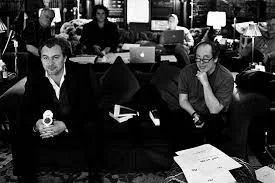
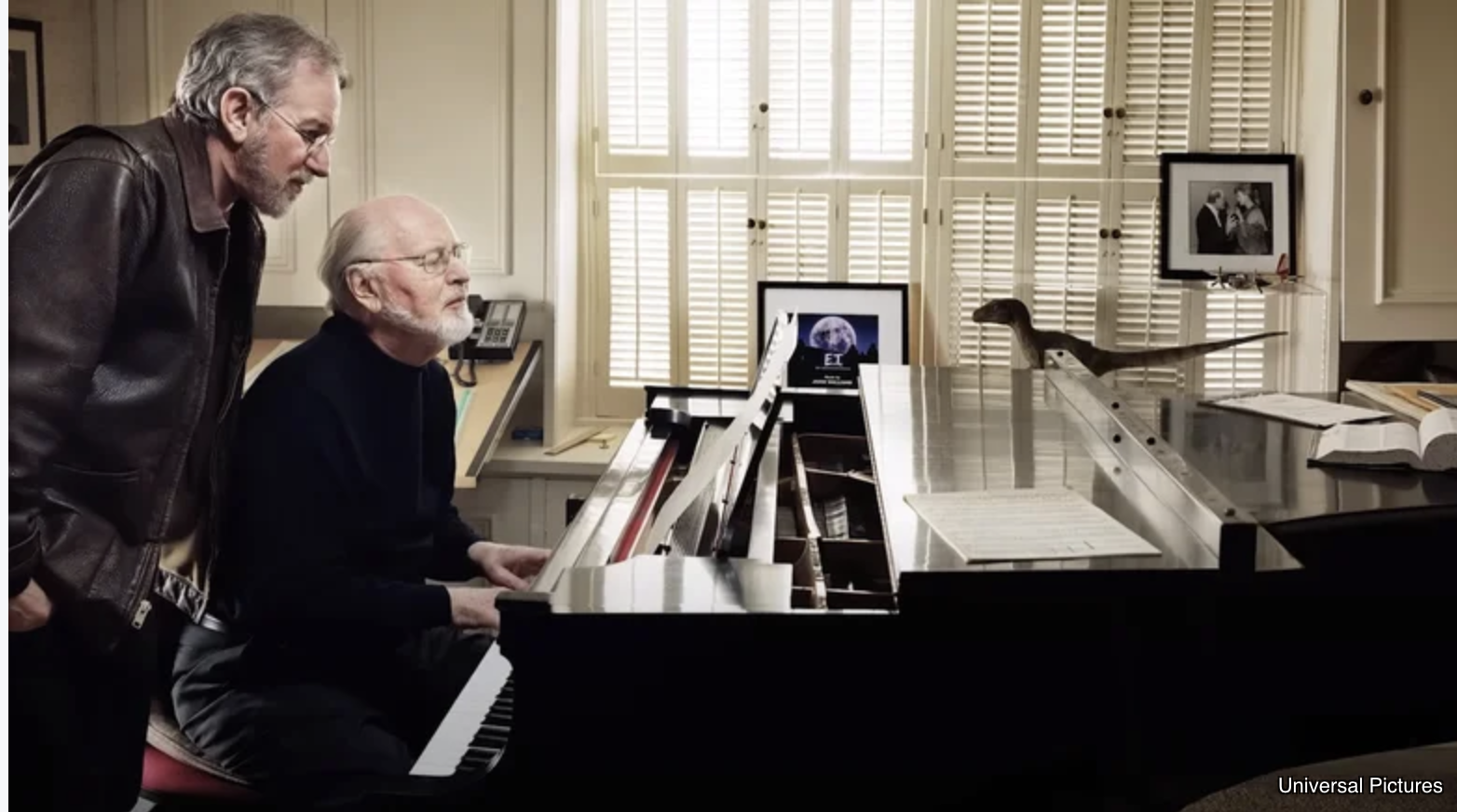
Selecting the ideal score for a film is not a solitary endeavor. Collaboration between the director and the composer is essential to achieve the desired result. Christopher Nolan and Hans Zimmer, Alfred Hitchcock and Bernard Herman, Steven Spielberg and John Williams. These collaborations are quite profound because overtime, the director and composer create a sense of “knowing” between each other. The composer understands the director’s style and scope, while the director trusts the composer's ability to say musically what the director cannot. This is a coming together of creative minds that when synchronized, produces legendary films.
Establishing Effective Communication
Clear and open communication is the key to a successful collaboration with the composer. Regular meetings, discussions, and sharing of ideas will foster a shared understanding of the film's vision and allow the composer to grasp the nuances required to create the perfect score. Providing specific examples, references, and emotional cues will help the composer translate your vision into musical language.

Providing Clear Creative Direction
While it is crucial to allow the composer artistic freedom, providing clear creative direction is equally important. Articulating your desires, preferences, and expectations will guide the composer in aligning the score with your vision. Exploring different musical inspirations together and sharing your emotional responses to various compositions will facilitate a more fruitful collaboration.

Allowing Room for Composer's Expertise
While you have a clear vision for your film, it is essential to acknowledge and appreciate the composer's expertise. Allowing the composer the freedom to bring their creative flair and unique perspective to the score can lead to unexpected and extraordinary results. Trusting the composer's instincts and giving them space for experimentation can elevate the score beyond your initial expectations.
Adapting Music to Enhance the Storytelling
Background music serves as an invisible thread that weaves through the narrative, augmenting the impact of each scene. Understanding the role of background music and its ability to evoke emotions, create tension, and provide transitions between scenes is crucial in choosing the right musical style for your film. This is where a music supervisor can add in their expertise. A high performing music supervisor will have a vast amount of historical music knowledge and can sometimes have the same training as a composer. Their job is to oversee the music that needs to be licensed in the film and ensure the films message or story harmonizes with songs when necessary.

Leveraging Musical Cues for Narrative Transitions
Transitions between scenes play a significant role in conveying a smooth and coherent story. John Williams, the composer for some of the greatest blockbusters of our time like Star Wars, ET, Schindler’s List, Home Alone and host of others, was an absolute genius at this. The next time you watch one of these films, pay attention to how he crafts his score to help the transitional points of the story move along scene by scene. This is most obviously done in sitcoms, when there is a transition from scene to scene, in particular, after a commercial break. The cinematic way of doing this is a little less obvious and might lend to some of the earlier established motives or themes the composer presented earlier. Either way, leveraging this music can enhance these emotional transitions, giving the audience a chance to quickly digest the previous scenes.
Conclusion of Part 2
The collaboration between the composer and director is key to the success to the film. Yes, there are other collaborations that are important, but if the music created for a film is not crafted to the story and characters in a way that bring the film life, it’s very likely the film could flop. In part 3, we’ll discover a few more aspects of selecting the ideal score for your film.