

The magic of cinema lies not only in the visuals and storytelling but also in the power of its music. A film's score plays a crucial role in evoking emotions, establishing the atmosphere, and heightening the impact of each scene. As a director, choosing the perfect score is a significant responsibility that can greatly influence the overall quality of your film. This article will explore the various considerations and challenges a director faces when selecting the ideal score, delving into the narrative analysis, musical styles, technical aspects, and effective collaboration with composers.
Exploring the Film's Narrative

Before embarking on the quest for the perfect score, it is essential to delve deep into the film's narrative. Analyzing the themes and emotions that drive the story will lay the foundation for finding the right musical accompaniment. This is what I like to call “the heart of the film.” I don’t think I made it up all on my own, however, the phrase lends to the main idea or thread of the film, that without it, the whole film would fall apart.
Identifying Key Emotional Moments

Every film has crucial emotional moments that leave a lasting impact on the viewers. These moments could be pivotal turning points, heartwarming scenes, or even intense confrontations. Understanding these emotional peaks will allow you to select music that enhances the audience's emotional experience and fuels their connection with the characters. It’s also duly important that these key emotional moments are clearly communicated to your composer. Without them, the composer could be scoring blindly, which is a disaster for the musical counterpart to your film.
Unveiling the Narrative's Central Themes

A film's narrative is driven by central themes that provide the backbone of the story. By identifying these themes, you can select a score that complements and strengthens their essence. Whether it's a tale of love and sacrifice or a thrilling adventure, aligning the music with the central themes will create a cohesive and immersive cinematic experience.
Determining the Emotional Arc
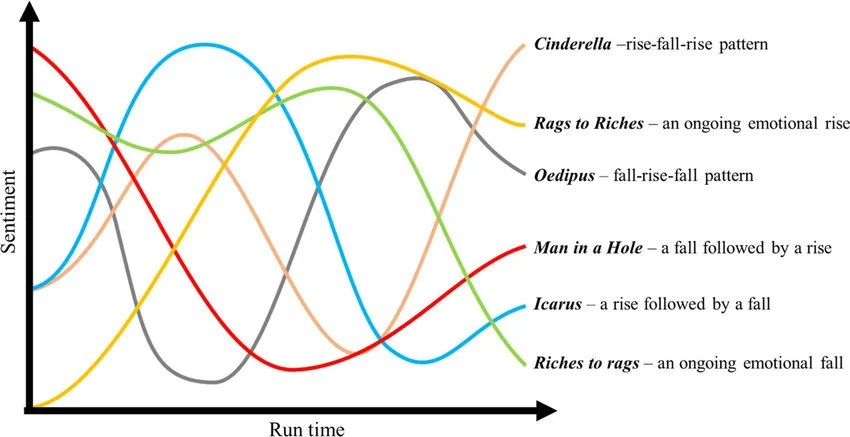
Just like the narrative has its arc, so does the emotional trajectory within the film. From moments of anticipation and suspense to pure joy and heartbreak, comprehending the emotional arc will guide you in choosing music that matches the evolving moods throughout the story. This careful curation of emotions will keep the viewers engaged and invested in the film.
Aligning the Score with the Film's Vision

Once the narrative analysis is complete, the next step is to ensure the score harmonizes with the film's vision. That is, the puzzle piece , that if missing will cause a disjunct film. When the music does not harmonize, people notice. It’s only when the audience doesn’t notice the music at all do you have a fantastic score. That is not to say that music shouldn’t be a part of the film…by no means! It simply means that the synchronicity between music and film is a delicate balance. Get one of them wrong, especially the music, and it’s woefully noticeable. And just to be clear, the film’s vision must certainly come from the director. Yes, there will be input from invested parties in the film’s creative success, but at the end of the day, the director’s vision should be the singular point of focus for everyone involved. This is why directors are held in such high regard for their work. It is a daunting task that takes conviction, patience, artistic voice, and so much more.
Harmonizing the Score with the Genre

Different genres demand distinct musical styles. Whether it's a period piece, a sci-fi epic, or an intimate drama, the score should seamlessly fit the genre's needs. A romantic period film may call for a lush orchestral arrangement, while a futuristic sci-fi might benefit from electronic and modern soundscapes. Choosing a score that aligns with the genre will reinforce the film's identity and immerse the audience deeper into its world.