


Creating Synchronization Between Score and Visuals
The marriage of visuals and music is a harmonious collaboration that can create a mesmerizing cinematic experience. By ensuring synchronization between the score and the visuals, the director can heighten the impact of the on-screen action. Whether it's a suspenseful chase or a heartwarming reunion, a well-timed and meticulously crafted score on the part of the film composer, can elevate the visuals and evoke a stronger emotional response from the audience. The perfection of this artform that seemingly creates cinematic magic takes years of dedication to honing the craft directing and composing alike.

Choosing Between Original Score and Licensed Music
When selecting the musical elements for your film, one crucial decision is whether to opt for an original score or licensed music. What’s the difference? Well an original score is meticulously created for your film and no one else’s. It’s exclusive. A licensed score has great potential of sounding fantastic with your picture, however, it is not exclusive. This means that another film maker could use the same music you chose for your special scene. An original score would normally be more expensive, which is why you get the exclusivity of the music for your movie. Also, with an original score, you have the capability of communicating with your composer about exactly what you’re hearing, or not hearing, for the film. This will not happen with a licensed piece of music because the composer previously created and recorded the music at no cost to you.
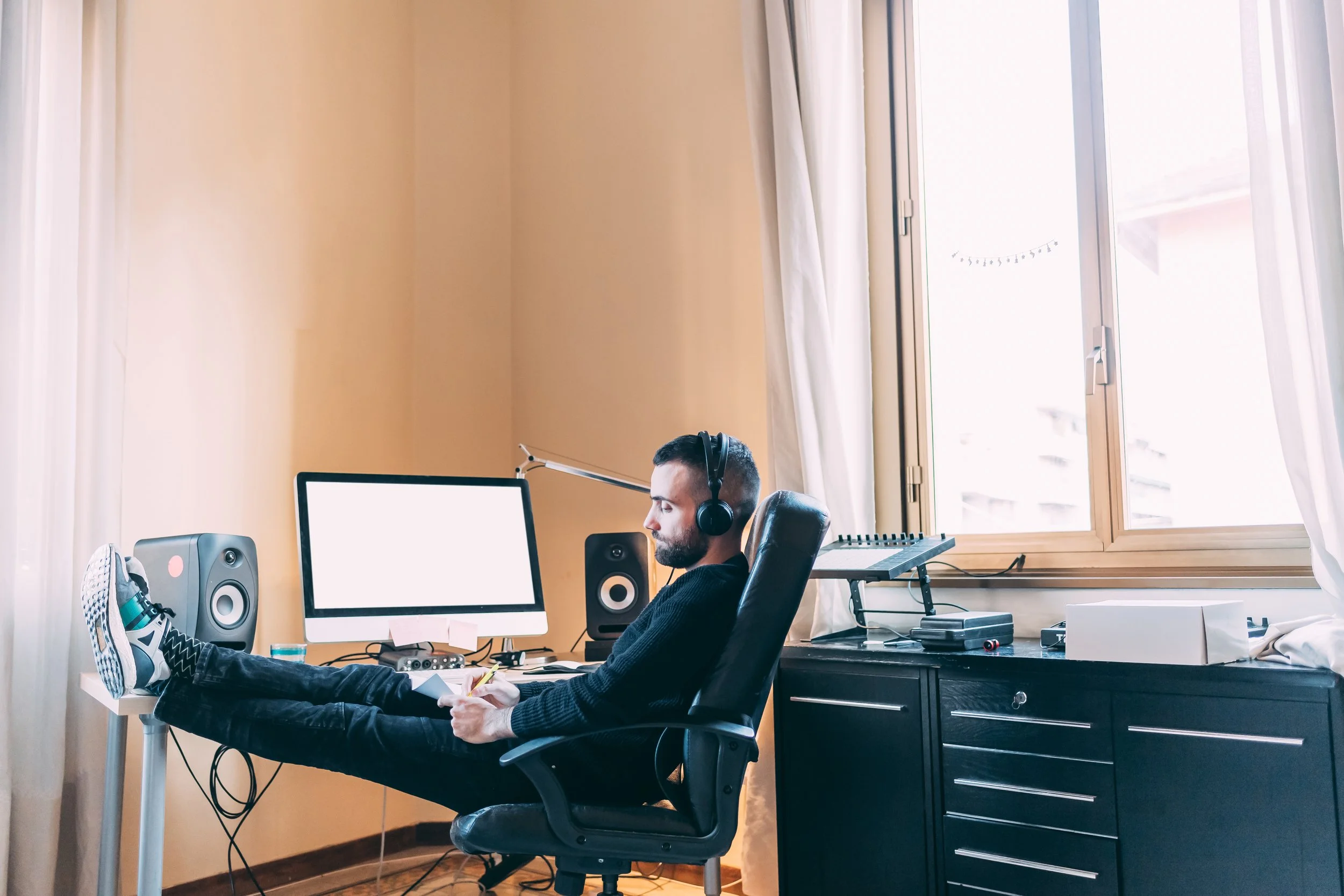
Crafting a Customized Original Score
An original score, created specifically for your film, provides a unique and bespoke auditory experience for the audience. Collaborating with a composer to compose a score tailored to the film's needs ensures a seamless integration of music and story. However, creating an original score requires time, resources, and a deeper engagement in the composition process.

Licensing Pre-existing Music
In certain cases, licensed music can be a viable option, especially when it complements the film's themes and emotions. Well-known tracks can tap into the viewers' pre-existing emotional associations, further heightening the impact of the film. Licensing music can be a cost-effective solution when working with a constrained budget, but it comes with limitations and challenges in terms of synchronization and exclusivity rights.

Balancing the Cost-Benefit Analysis
The choice between an original score and licensed music often boils down to a cost-benefit analysis. Considering factors such as budget, creative vision, and desired exclusivity will help you strike the right balance. Ultimately, the decision should align with your narrative goals and the overall vision for your film.
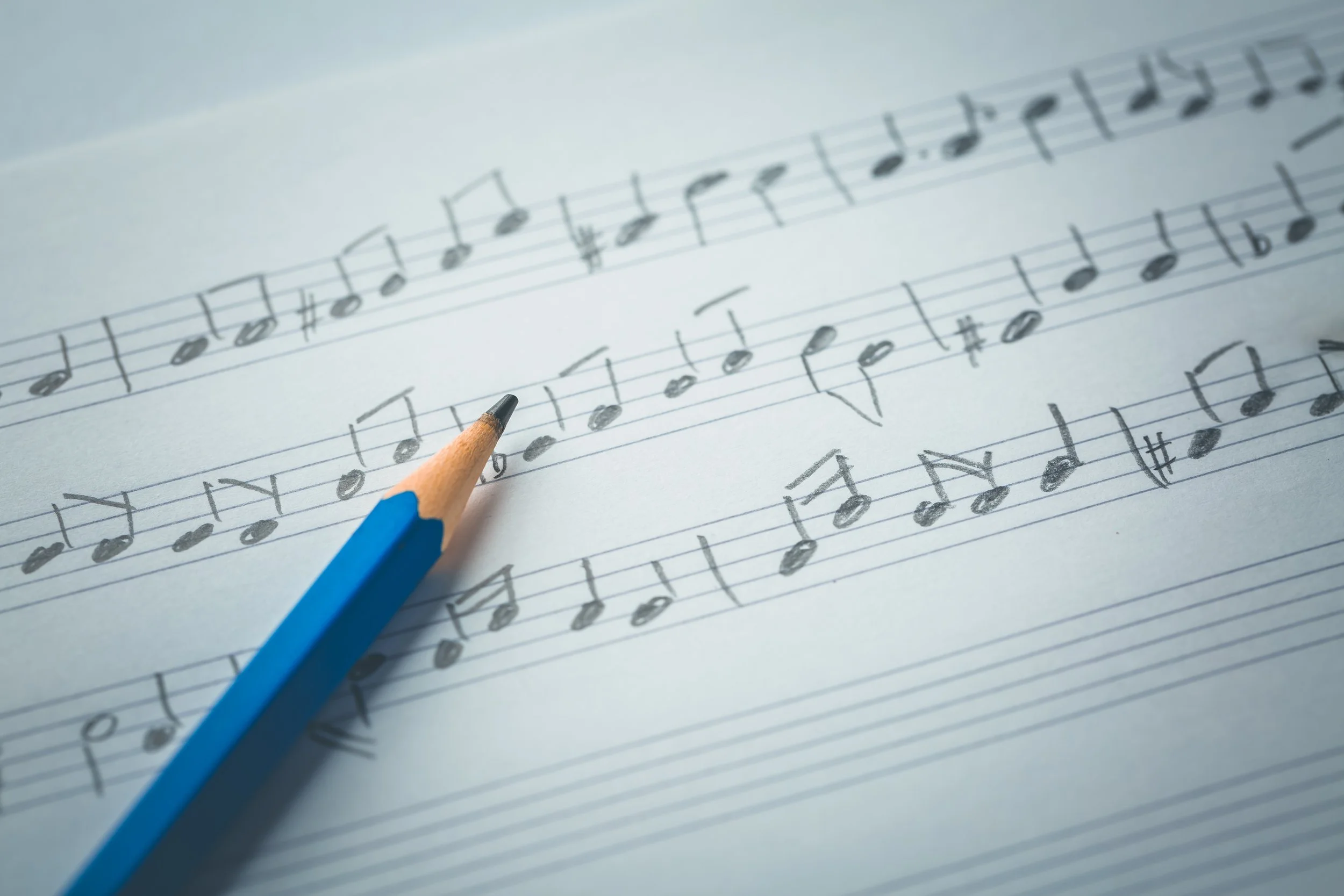
Composing for Different Scenes
A film is composed of various scenes and beats, each requiring a carefully tailored musical treatment. Whether it's establishing the pacing and rhythm, highlighting clashes and tension, or enhancing emotional climaxes, the score should adapt seamlessly to the changing dynamics on screen. By collaborating closely with the composer, the director ensures that the musical composition enhances the impact of the film's individual scenes and the overall storytelling experience.
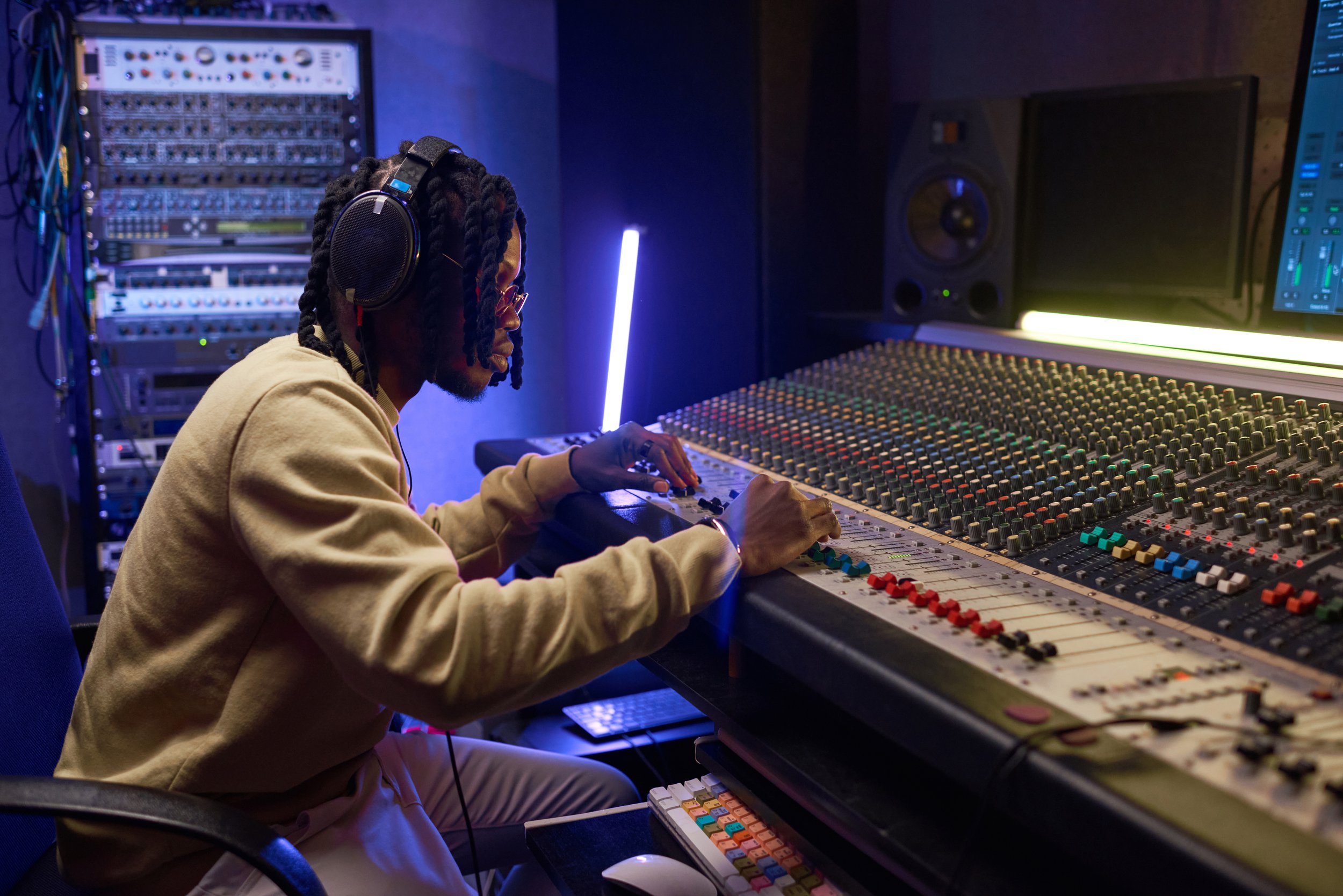
Balancing the Audio Mix and Sound Design
A harmonious balance between the score, sound effects, dialogues, and background atmosphere is essential for creating an immersive audio experience. Collaborating with the sound designer and audio engineer to strike the right balance allows the film's score to shine while not overpowering other audio elements. By aligning the audio mix and sound design, the director ensures that the audience can fully immerse themselves in the film, appreciating every auditory detail.
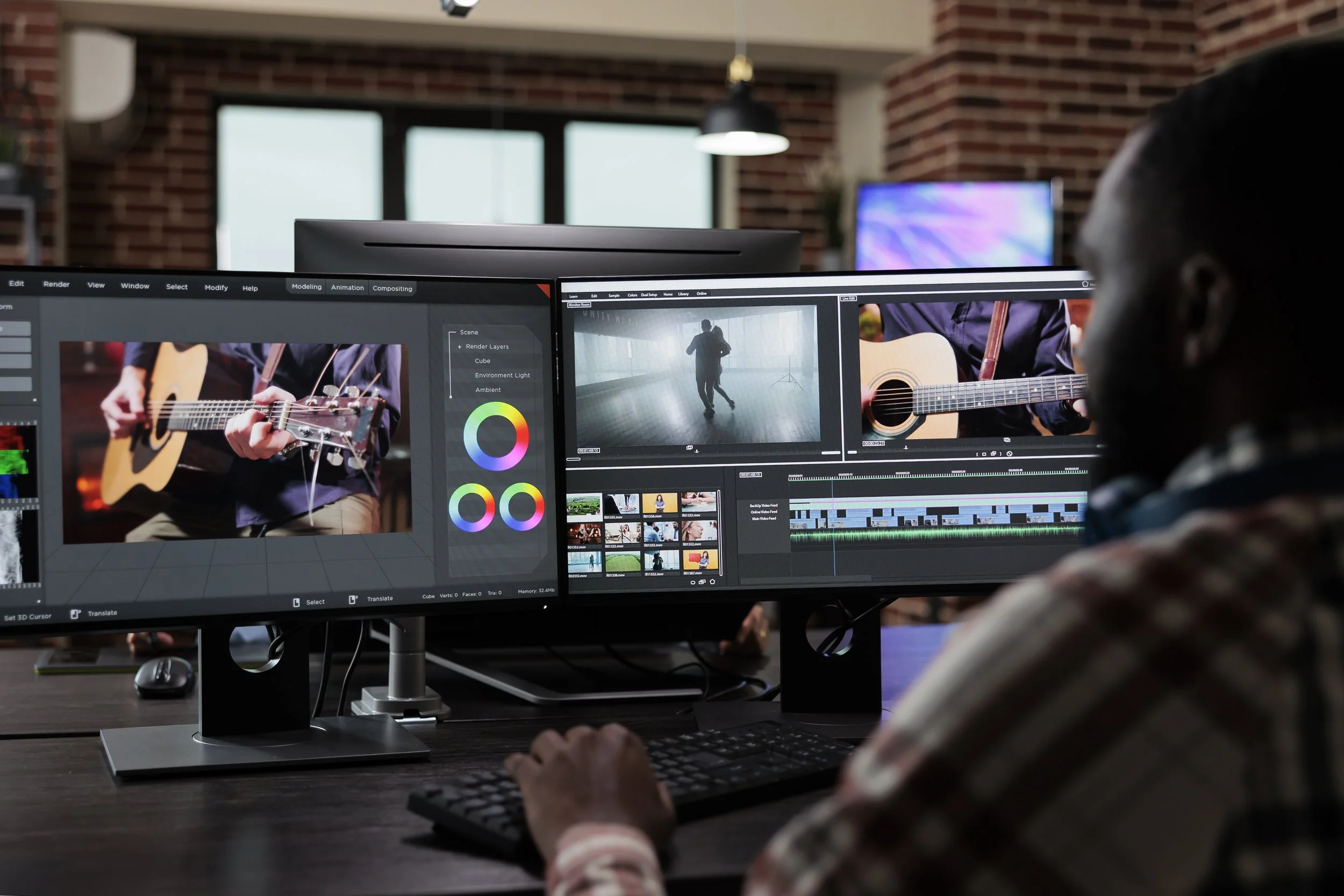
Adapting the Score to Post-Production Processes
The film's score is not set in stone; it evolves throughout the post-production process. Navigating the workflow between editing and scoring plays a crucial role in achieving a seamless integration of visuals and music. Incorporating Foley and ADR (Automated Dialogue Replacement) during the post-production process helps create a natural and cohesive soundscape. Additionally, seeking feedback and conducting test screenings allow the director to fine-tune the score further, ensuring that it resonates with the audience's emotions as intended.
Conclusion
In conclusion, the director's dilemma in choosing the perfect score for a film is a delicate balancing act, merging creativity with technical considerations. A well-chosen score significantly impacts the audience's emotional experience, reinforcing the director's role in impactful music selection. By striking the perfect balance between storytelling and musicality, the director can create a truly immersive cinematic experience that lingers in the hearts and minds of the viewers long after the credits roll.